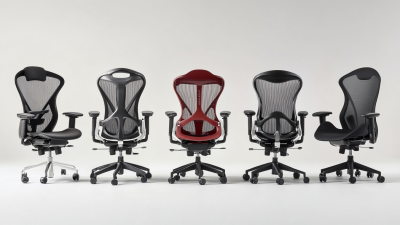
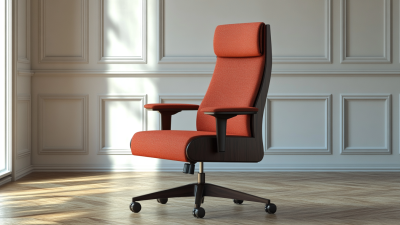
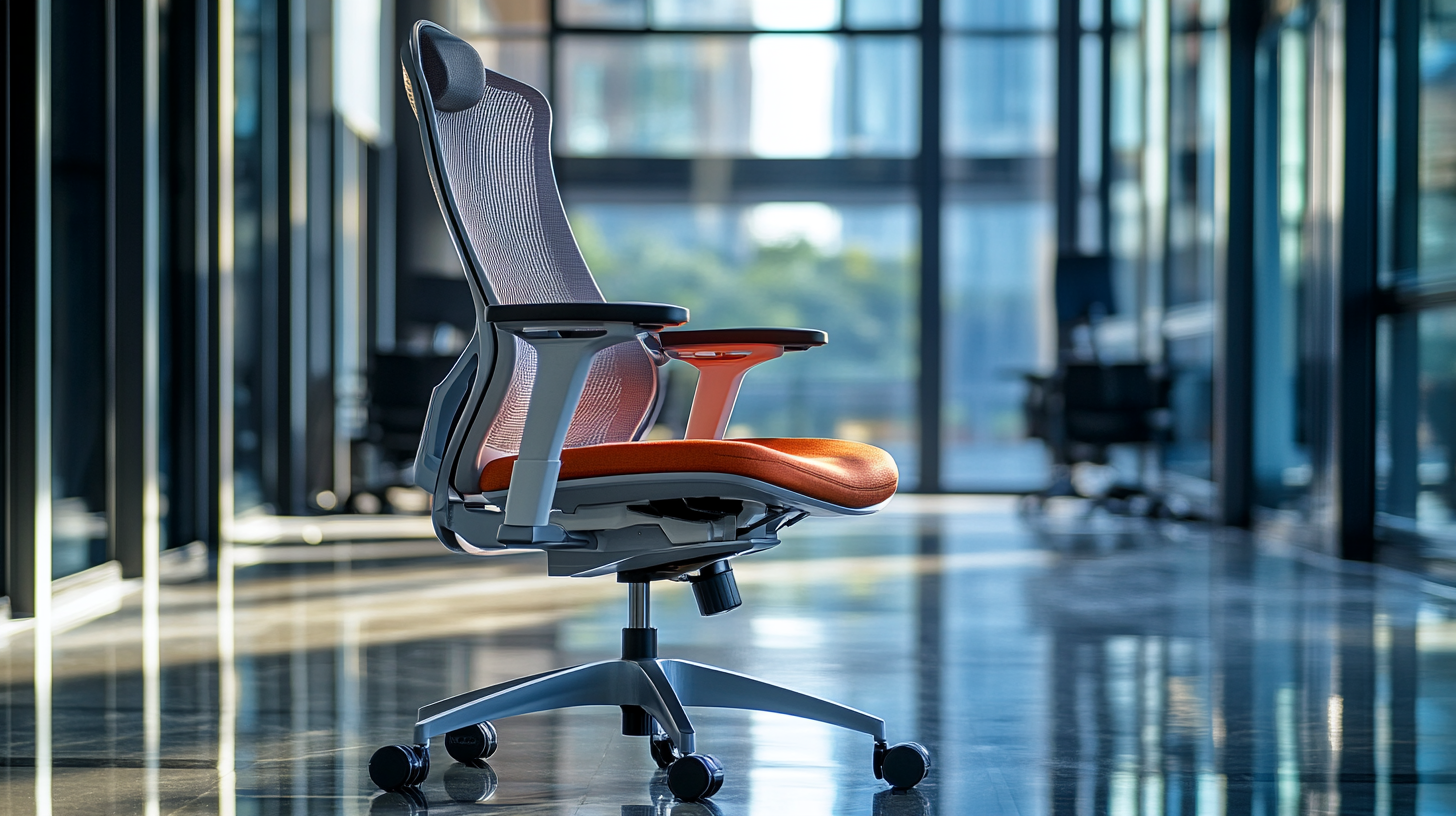
You know, in a world that's getting more and more complex with geopolitical tensions and trade wars, China's manufacturing sector is really hanging in there. Take the Ergonomic Office Chair, for example—this product has shown some serious staying power, even with those tariffs coming from the U.S. Companies like X-Chair and Herman Miller? They've done a pretty good job of navigating these rocky waters by tweaking their strategies to keep things both high-quality and affordable. In this blog, we’re gonna dive into how these manufacturers are not just getting by but are really thriving despite the messiness of U.S.-China tariff policies. They're using innovative designs, streamlining their supply chains, and really tuning into what consumers want. It’s pretty fascinating how they're reshaping the whole Ergonomic Chair scene. So, stick around as we chat about what’s making the Ergonomic Office Chair shine in such a competitive market, and how these takeaways could influence the future of manufacturing in China.
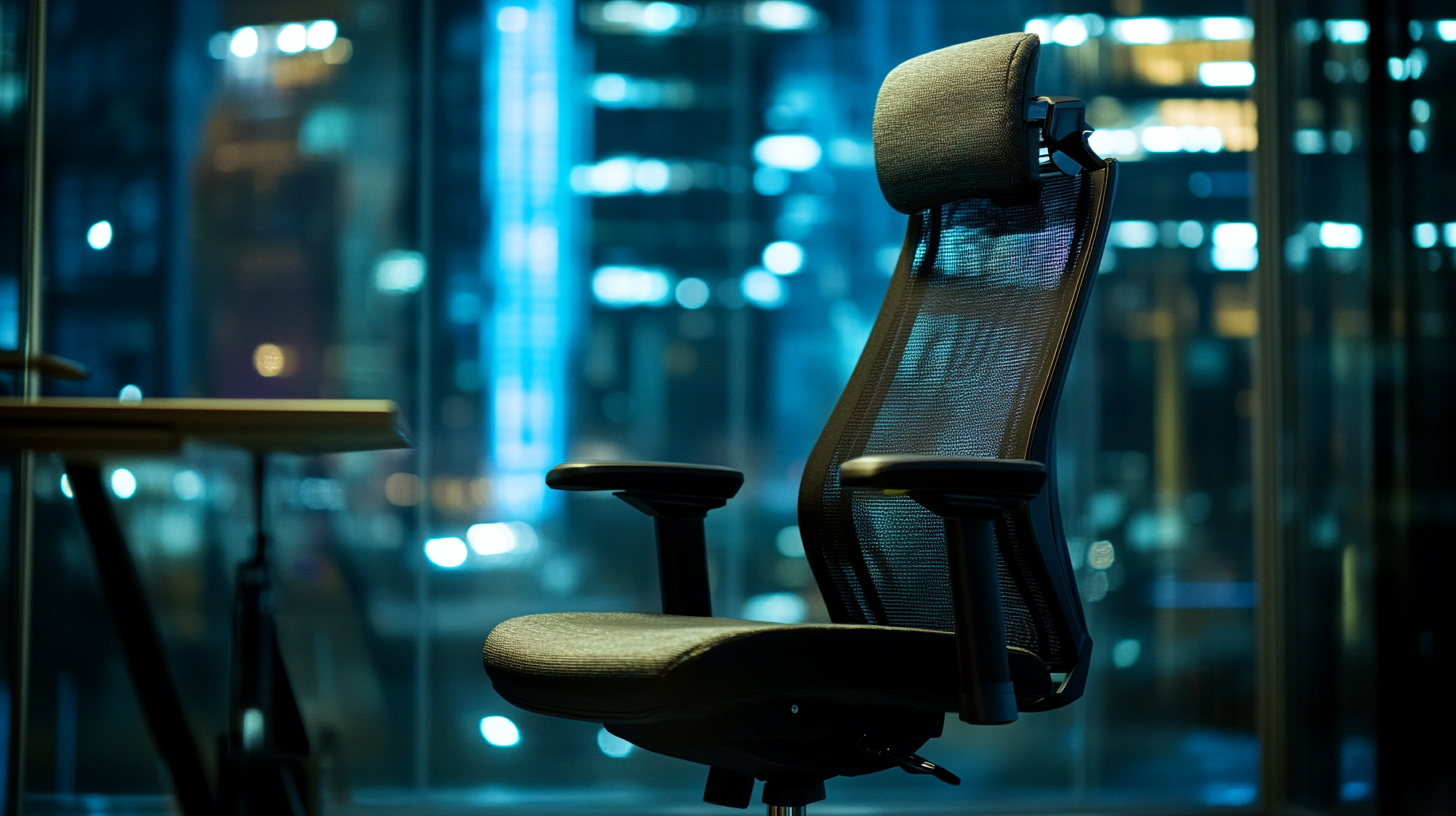
You know, the trade tensions between the US and China have really stirred things up in the manufacturing world. Tariffs have thrown a wrench in the works, especially for companies that rely on Chinese goods. A report from the National Bureau of Economic Research (NBER) even suggests that these tariffs could jack up costs by about 12% for manufacturers using imported materials. That’s a tough pill to swallow! It’s pushing businesses to get creative and rethink their strategies, especially in the ergonomic office chair market, which is still craving those comfy, high-quality seating options despite all the chaos.
One interesting way businesses are responding to the pressure from these tariffs is by moving back toward local manufacturing. According to a 2022 report from McKinsey, a surprising 30% of companies are actually thinking about reshoring or nearshoring their production to dodge some of these tariff headaches. This shift has been a real game-changer for ergonomic chair makers, as building more localized supply chains helps them depend less on imports and be quicker to react to what the market needs. Plus, companies that are jumping on the sustainability bandwagon in their manufacturing might find themselves ahead of the curve in this new post-tariff landscape. With more and more consumers leaning towards eco-friendly products, it’s a smart move that can help them weather any international trade ups and downs.
With the trade dynamics between the US and China constantly shifting, businesses in the ergonomic office chair market are really feeling the heat from rising tariffs. A recent report from the International Trade Administration reveaLED that tariffs on imported goods have shot up as much as 25% since 2018! This situation is forcing manufacturers to rethink and adapt their supply chains pretty quickly. A lot of them are now looking south toward Southeast Asia, which is ramping up its manufacturing capabilities, as a way to soften the blow from those US tariffs. Take Vietnam, for example; it’s really come into its own lately, seeing a 30% increase in furniture production just last year, as companies scramble to diversify where they get their supplies from.
To tackle these trade hurdles, manufacturers are not just shifting where they produce things—they're also pouring money into innovation and sustainable practices. According to a study by the World Economic Forum, companies that jump on the digital transformation bandwagon and embrace automation can cut their operational costs by as much as 20%! This is a game changer in boosting their competitiveness in the global market. Ergonomic chair manufacturers, in particular, are reaping the rewards of this shift. They're using cutting-edge designs and streamlining their operations to ensure they can weather the storm of tariffs and supply chain hiccups. So, by adapting their strategies and exploring new opportunities, these businesses are finding ways to keep thriving, even when things get a little dicey.
| Product Model | Manufacturer | Price (USD) | Tariff Impact (%) | Supply Chain Strategy |
|---|---|---|---|---|
| Ergo Chair Pro | Comfort Co. | 299 | 25 | Local Sourcing |
| ErgoFlex Chair | Posture Corp. | 349 | 20 | Diversified Suppliers |
| Ultimate Office Chair | Elite Workspace | 415 | 30 | Nearshoring |
| Sustainable Seat | Green Office | 279 | 15 | Flexible Manufacturing |
| Premium Ergonomic Desk Chair | WorkWell | 450 | 22 | Partnerships with Local Artisans |
Given the ongoing struggles with tariffs between the US and China, it’s pretty impressive to see how companies in China's ergonomic office chair scene are really stepping up their game. These tariffs have forced manufacturers to get creative and rethink their designs. They’re now all about maximizing efficiency and functionality, but they’re also being mindful of costs—definitely a balancing act! By using advanced materials and really listening to what users have to say, these companies are turning out chairs that not only hit those ergonomic sweet spots but also cater to a wide range of consumer needs.
To keep on top of these tariff challenges, a lot of manufacturers are jumping on the latest technology for both design and production. 3D printing has really taken off for quick prototyping, and modular designs are becoming the norm, making it easier for customers to customize and repair their chairs. It’s not just about looking good—by prioritizing sustainability and putting users at the center of their designs, they’re boosting the appeal of their products and making sure they last a while, even in a tough market. This proactive approach helps lessen the sting of tariffs and positions Chinese ergonomic Office Chairs as a solid option for international buyers who are on the lookout for quality and innovation, especially when everything feels a bit uncertain economically.
In recent years, the US-China tariff confrontations have posed significant challenges to manufacturers across various industries. However, Chinese manufacturers have demonstrated remarkable resilience, particularly in the ergonomic office chair sector. One of the key factors driving this resilience is the ever-evolving consumer preferences. As more individuals prioritize health and comfort while working from home, the demand for high-quality ergonomic chairs has surged, enabling manufacturers to thrive despite external pressures.
The burgeoning awareness around posture, well-being, and productivity has led to a shift in consumer needs. Ergonomic office chairs that blend functionality with aesthetic appeal are increasingly favored. This shift has prompted Chinese manufacturers to innovate and adapt quickly, developing products that not only meet rigorous ergonomic standards but also resonate with the modern consumer's desire for style and sustainability. By aligning their offerings with consumer preferences, these manufacturers not only maintain a competitive edge but also reinforce their position in the global market amidst the uncertainties created by tariffs and trade tensions.
You know, with all these trade wars going on, businesses really have to think on their feet to keep their products competitive. Take the ergonomic office chair market, for instance. It’s a great example of how sticking it out can actually lead to success, even when times get tough. Manufacturers in China have been pretty impressive, adapting their supply chains, sourcing materials closer to home, and coming up with fresh designs that really meet the needs of remote workers. This kind of flexibility isn’t just about dodging tariffs; it’s also a smart move to grab more of that market share.
***Tip 1:*** Think about shaking up your supply chain a bit to dodge some of those tariff risks. If you can source materials from different regions, it really cuts down on your reliance on just one market, making it way easier to handle the ups and downs of international trade.
As companies are starting to pivot to meet what consumers are after, ergonomic chairs have really transformed. Nowadays, features that promote health and using sustainable materials are super important to win over those eco-conscious customers. This shift shows just how vital innovation is for staying relevant, especially in a market that’s so sensitive to global economic changes.
***Tip 2:*** You’ll want to put some money into research and development if you really want to stay on top of market trends. By understanding what consumers want and keeping up with tech advancements, businesses can whip up products that not only resonate with customers but also meet their needs in a snap.
You know, the world of Chinese manufacturing has really changed a lot recently, especially with all the challenges coming from US-China tariffs. A report from McKinsey & Company tells us that more than 65% of manufacturers over in China are really focusing on sustainability and innovation these days. This shift isn't just about dealing with tariffs; it's also about getting ready for a market that cares more and more about the environment. Take the ergonomic office chair industry, for example—manufacturers are pouring resources into using sustainable materials and production methods to meet what consumers want and what the regulations require.
And there's more! A study by the Global Manufacturing and Industrialization Summit found that companies that jump on the sustainability bandwagon are boosting their operational efficiency by as much as 20%. That’s pretty impressive, right? They're adopting circular economy practices and optimizing their supply chains, which are key moves. By cutting down on waste and making the most of their resources, these Chinese manufacturers are not just stepping up their game, but they’re also setting a high bar for global standards in the ergonomic furniture world. As they keep pushing for innovation, they're really paving the way for a future where economic growth and taking care of our planet can go hand in hand.
: Manufacturers are facing significant challenges such as increased tariffs on imported goods, which have risen by as much as 25% since 2018, necessitating adaptations in their supply chains.
Many manufacturers are exploring southbound strategies by leveraging Southeast Asia's manufacturing capacities, particularly focusing on countries like Vietnam, to mitigate the impact of US tariffs.
Vietnam witnessed a 30% jump in furniture production in 2022 as companies sought to diversify their sourcing locations amidst rising tariffs.
Manufacturers are investing in innovation and sustainability, with digital transformation and automation helping to reduce operational costs by up to 20% and boost competitiveness.
As consumer preferences shift towards health and comfort, there has been a surge in demand for high-quality ergonomic chairs, allowing Chinese manufacturers to thrive despite trade pressures.
Consumers are favoring ergonomic chairs that blend functionality with aesthetic appeal, prompting manufacturers to innovate and develop products that meet both ergonomic standards and modern design expectations.
By aligning their product offerings with evolving consumer preferences for style and sustainability, manufacturers are reinforcing their position in the global market despite uncertainties from tariffs and trade tensions.
Embracing digital transformation allows manufacturers to enhance product design and streamline operations, which contributes to their resilience against tariffs and supply chain disruptions.