In recent years, the intricacies of international trade have significantly shaped the landscape of Chinese manufacturing, particularly in the face of escalating tariffs between the US and China. Despite these challenges, recent reports from the China National Bureau of Statistics indicate that manufacturing output has surged, showcasing a remarkable resilience and adaptability in the sector. Specifically, the global demand for innovative Office Furniture, including the increasingly popular L Shaped Desk, has provided Chinese manufacturers with an opportunity to thrive. According to a 2023 market analysis by Grand View Research, the office furniture market is projected to grow at a compound annual growth rate (CAGR) of 5.3%, further solidifying China's position as a key player in meeting global demands. As manufacturers pivot towards optimizing production and offering diverse designs, the L Shaped Desk stands out as a symbol of modern workspace ergonomics, capturing the attention of both domestic and international consumers amidst tariff-induced pressures.
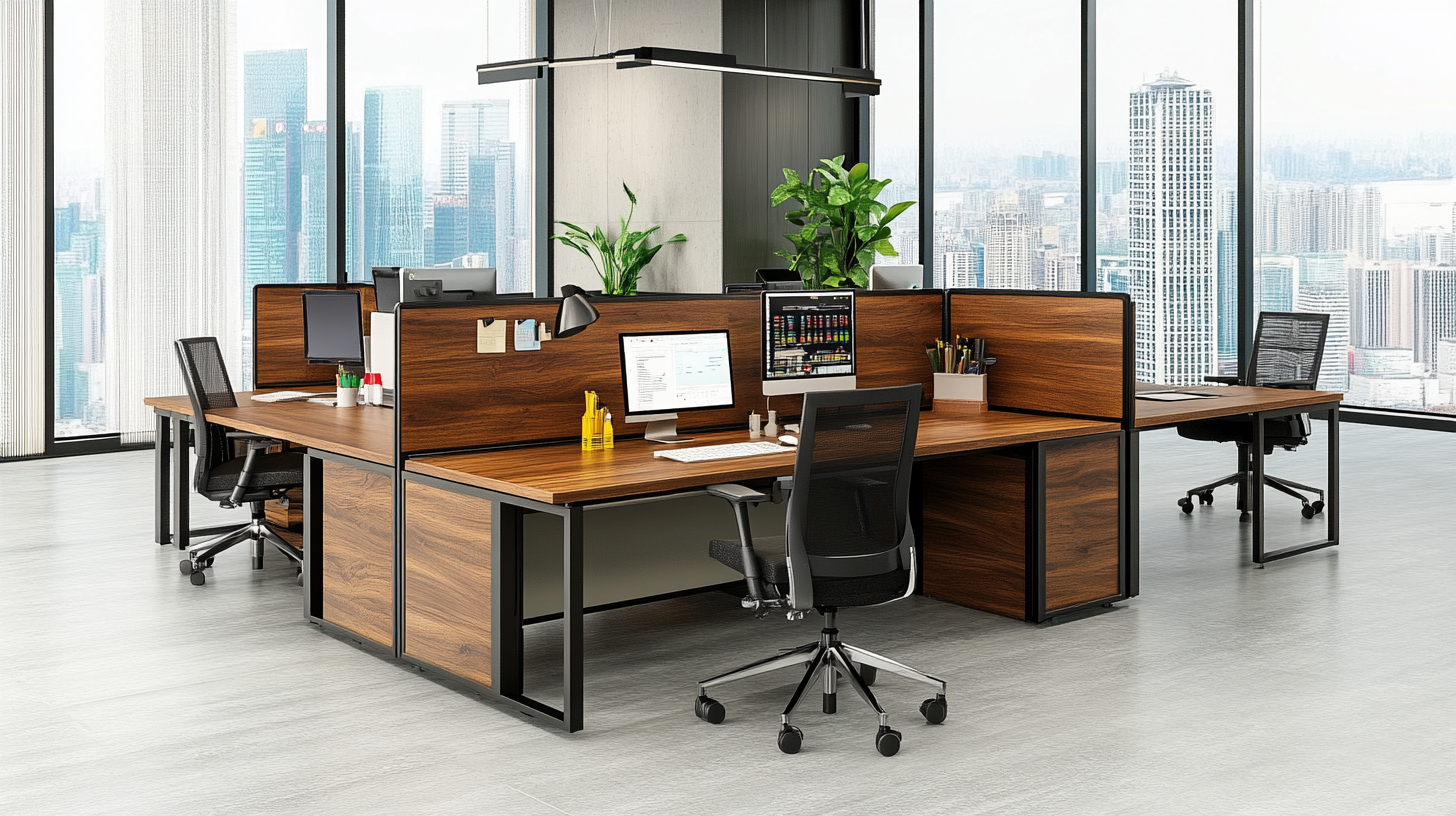
In recent years, Chinese manufacturing has showcased remarkable resilience in the face of numerous tariff challenges imposed by the US. Despite ongoing tensions, manufacturers in China have adapted their strategies to not only survive but thrive in a competitive global landscape. Companies are leveraging their vast supply chains and operational efficiencies to minimize costs and maintain productivity. This flexibility enables them to navigate the complexities introduced by tariffs and explore new markets ripe for expansion.
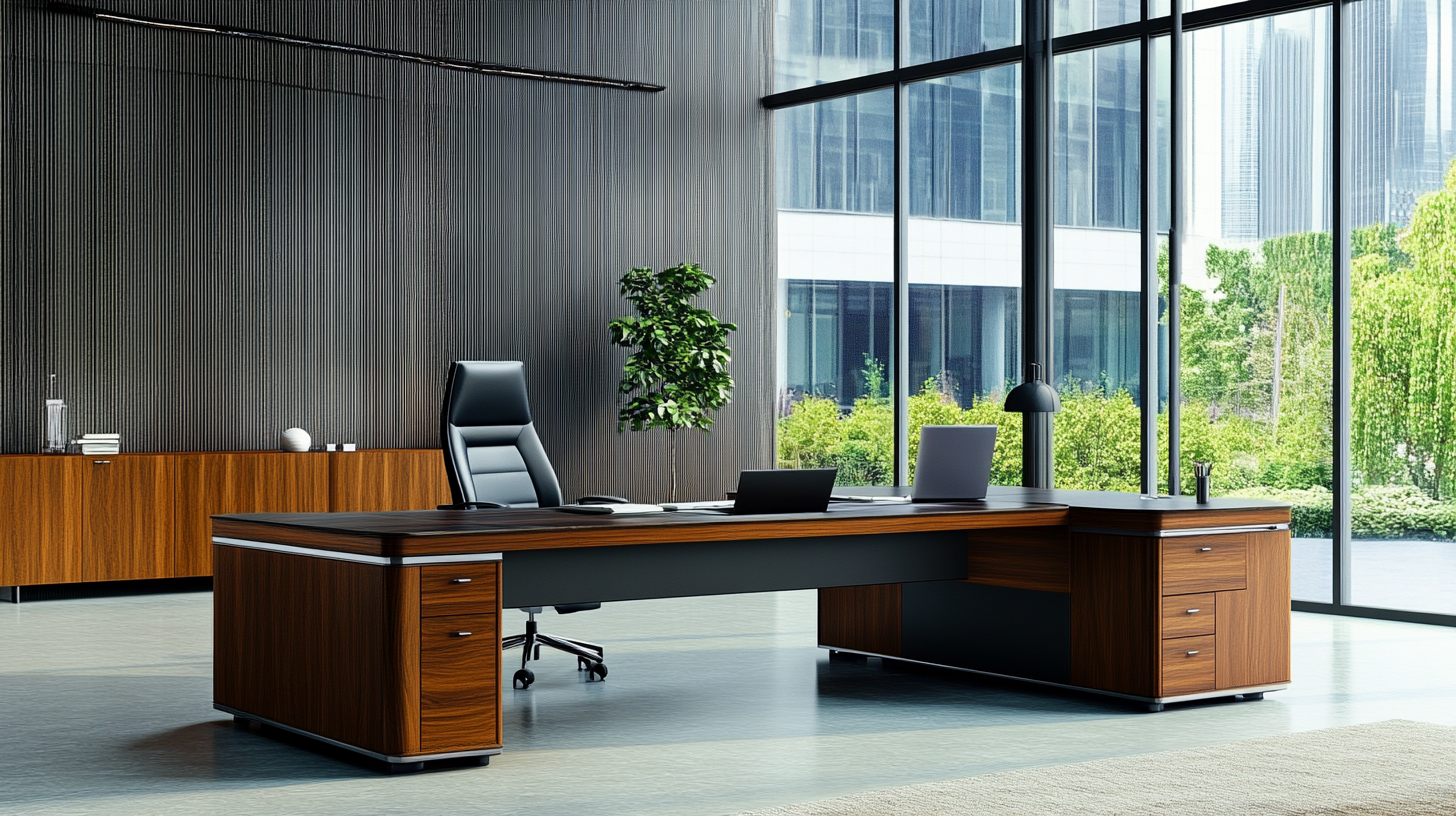
Moreover, innovative products have gained global attention, such as the Best L Shaped Desk, which has become a symbol of modern Workspace Solutions. This desk, praised for its design and functionality, reflects how Chinese manufacturers are not just meeting traditional demands but are also setting trends in ergonomic and stylish office furniture. By focusing on quality and consumer needs, Chinese manufacturers are effectively turning challenges into opportunities, establishing themselves as key players in the international marketplace. As they continue to enhance their offerings and embrace technological advancements, the potential for growth remains substantial, even in uncertain economic climates.
Chinese manufacturing has shown remarkable resilience in the face of US-China tariff challenges, experiencing steady export growth despite fluctuating trade policies. According to a report by the General Administration of Customs, China's exports surged by 18.1% year-on-year in the third quarter of 2023, demonstrating the sector's ability to adapt and thrive even amid high tariffs. This growth can be attributed to various factors, including the diversification of export markets and the enhancement of manufacturing technologies, enabling companies to maintain competitive pricing and product quality.
In the realm of office furniture, Guangdong Junshi Intelligent Furniture Co., Ltd. stands out with its innovative approach to smart office solutions. As businesses seek to optimize workspace for remote and hybrid models, products like the Best L Shaped Desk are gaining global attention. Reports from industry analysts suggest that the smart office furniture market is projected to grow at a CAGR of 13.5% from 2023 to 2028. Junshi's focus on merging cutting-edge technology with ergonomic design positions it well in this expanding market, serving not just enterprises but also governments and institutions worldwide with intelligent workspace systems that enhance productivity and employee well-being.
The global demand for L-shaped desks is experiencing a significant surge, particularly in the manufacturing sector, as companies adapt to evolving work environments. These desks allow for efficient use of space, making them ideal for both home offices and corporate settings. The design provides ample surface area for multitasking, promoting productivity and comfort among workers. As remote and hybrid work models become more common, manufacturers are prioritizing the production of versatile office furniture that meets the needs of a changing workforce.
Moreover, the rise of L-shaped desks coincides with challenges posed by international trade tensions, such as U.S.-China tariffs. Manufacturers in China have been quick to innovate and respond to market demands despite these hurdles. The ability to produce stylish and functional office furniture has not only helped Chinese manufacturers to thrive in a competitive landscape but also positioned L-shaped desks as a favored choice for global consumers. As businesses continue to invest in ergonomic solutions, L-shaped desks are set to become a staple in workplaces worldwide, reflecting a shift in how we perceive and use our workspaces.
In the face of escalating tariffs and trade tensions between the US and China, Chinese manufacturing continues to demonstrate remarkable resilience. The ability of manufacturers to maintain competitive pricing amid such challenges is a fascinating phenomenon, rooted in strategic adaptations and innovations. One key factor is China's robust supply chain infrastructure, which empowers local companies to reduce operational costs. By streamlining production processes and leveraging economies of scale, manufacturers can offset some of the additional costs imposed by tariffs, offering products like the popular L-shaped desk at globally competitive prices.
Moreover, the emphasis on technology and automation plays a critical role in sustaining China's manufacturing edge. Investments in advanced manufacturing technologies, including robotics and artificial intelligence, have enhanced productivity and resource efficiency. As a result, even with tariffs in place, Chinese manufacturers can produce high-quality goods at lower prices compared to their international counterparts. This strategic focus not only supports local producers but also positions them favorably in the global market, attracting attention for innovative designs and functional products that meet consumer demands.
This bar chart illustrates the average price index of selected manufactured goods from China compared to the US, highlighting how Chinese products maintain competitive pricing despite tariffs imposed by the US.
Innovation and technology have emerged as the twin pillars supporting China's manufacturing industry, allowing it to flourish despite the challenges posed by US-China tariffs. The nation's heavy investment in research and development has cultivated a robust environment for technological advancements. From automation and artificial intelligence to advanced materials and sustainable production techniques, Chinese manufacturers are leading the charge in global supply chains. This commitment to innovation not only enhances productivity but also elevates product quality, making Chinese goods more competitive in the global market.
Moreover, the rise of the L-shaped desk phenomenon exemplifies how Chinese manufacturers are adopting cutting-edge designs and materials to cater to evolving consumer needs. As remote work continues to gain traction worldwide, ergonomic furniture has become a focal point of interest. The seamless integration of modern aesthetics with functionality in best-selling L-shaped desks showcases China's adeptness at quickly responding to market demands through technology-driven manufacturing processes. As a result, these products have captured global attention, further solidifying China's position as a leading player in the international market.
The evolving trade relations between the United States and China play a crucial role in shaping global supply chains. As both nations continue to navigate the complexities of tariffs and trade policies, manufacturers are forced to adapt quickly to remain competitive. Chinese manufacturing, for instance, has found ways to thrive despite the imposition of tariffs. By optimizing production processes and leveraging cost advantages, Chinese manufacturers are not only sustaining their operations but also expanding their reach into international markets. This adaptability demonstrates the resilience and ingenuity of the manufacturing sector amid ongoing trade tensions.
As the geopolitical landscape continues to shift, the future of US-China tariffs remains uncertain. Businesses around the world are closely monitoring developments, as changes in policy can lead to significant disruptions or new opportunities within supply chains. Companies are increasingly exploring diversification strategies, seeking to mitigate risks associated with over-reliance on any single market. This has LED to a growing interest in products that symbolize both innovation and quality, such as the Best L Shaped Desk, which has gained global attention. The desk's popularity reflects a broader trend of consumers and businesses prioritizing functional design that supports remote work and productivity, further intertwining the impacts of trade relations and market trends.
| Dimension | Data |
|---|---|
| China's Manufacturing Growth Rate (2023) | 6.5% |
| US Tariffs on Chinese Goods (2023) | 25% |
| Global L Shaped Desk Market Growth (2022-2027) | Projected CAGR of 4.3% |
| Impact of Tariffs on Supply Chains (2023) | Increased costs by 15% |
| Chinese Exports to the US (2023, estimated) | $450 billion |
| US Imports from China (2023, estimated) | $550 billion |
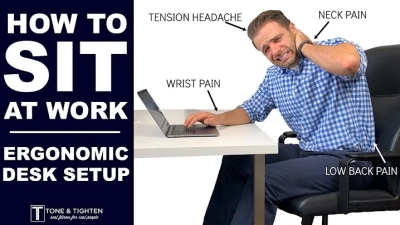
In today’s fast-paced work environment, the significance of an ergonomic workspace cannot be overstated. Recent reports highlight the direct correlation between office design, ergonomics, and productivity. A well-designed workspace not only enhances comfort but also fosters a more efficient working atmosphere. This insight is key for organizations looking to boost employee satisfaction while maximizing output.
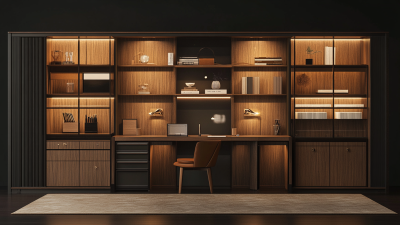
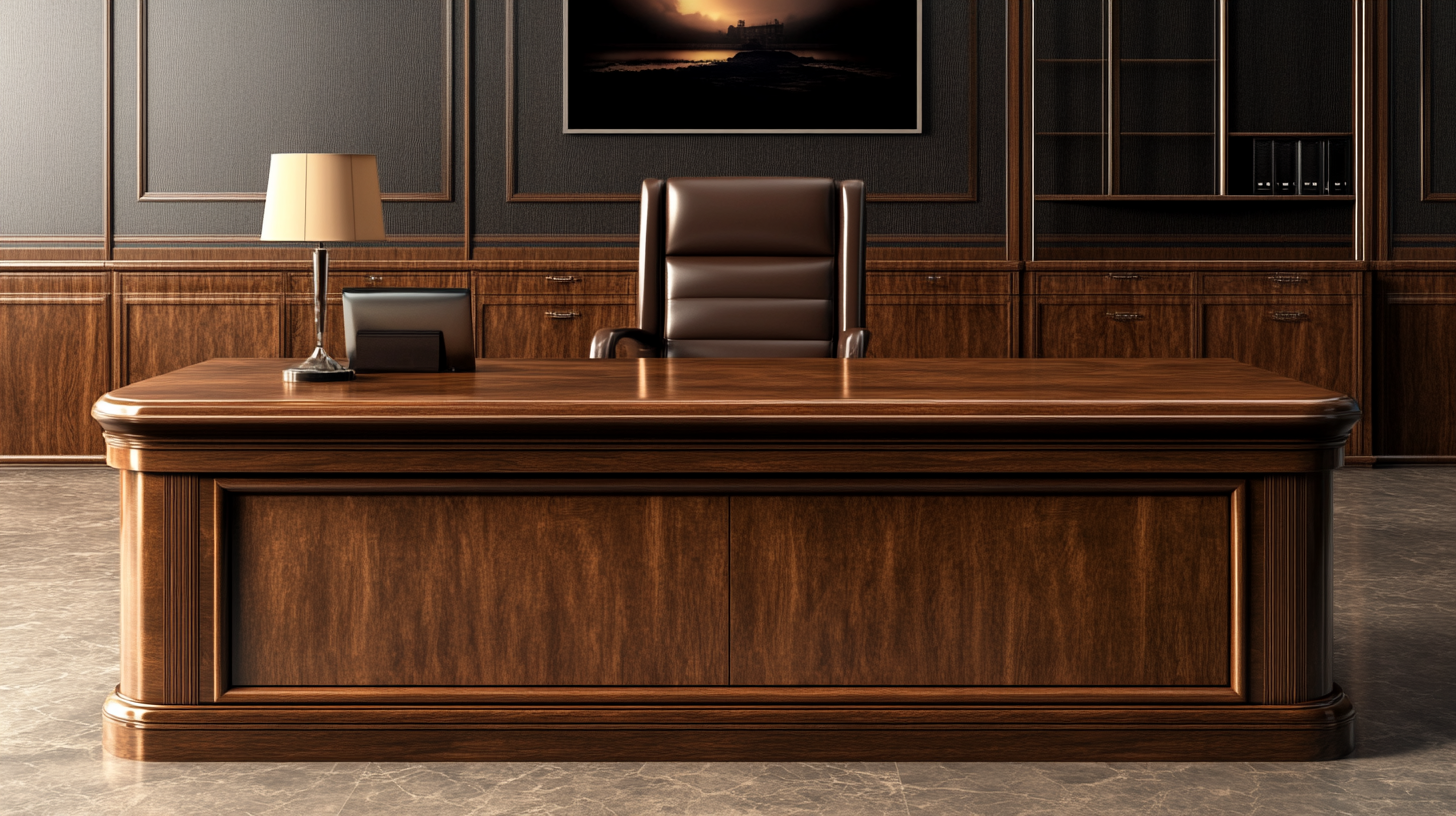
Among the many options available to modernize office interiors, the Junshi Intelligent lacquer desk stands out with its exquisite design and functionality. This desk features a sophisticated lacquer finish that not only enhances its aesthetic appeal but also promises durability and ease of maintenance, making it an ideal choice for busy office environments. Constructed using environmentally friendly materials, these desks are not only health-conscious but also customizable to fit the specific needs of any office layout.
The comprehensive range of Junshi Intelligent office furniture seamlessly blends beauty and practicality. With features that prioritize comfort and optimize space utilization, these desks provide an excellent solution for contemporary workspaces. Their fast shipping and one-stop service further ensure that organizations can promptly create an inspiring and productive work environment. Investing in high-quality, ergonomic furniture like the Junshi lacquer desk could be the key to transforming your workspace and enhancing overall productivity.
: The popularity is driven by the need for efficient use of space and the support for multitasking, making them ideal for both home and corporate settings, particularly as remote and hybrid work models become more common.
Chinese manufacturers have quickly innovated and optimized production processes to thrive despite tariffs, focusing on stylish and functional designs that meet evolving consumer needs.
Heavy investment in research and development helps support technological advancements, enhancing productivity and product quality, making Chinese goods more competitive globally.
As remote work gains traction, ergonomic furniture like L-shaped desks has become a focal point, promoting comfort and productivity for workers.
L-shaped desks are increasingly favored by global consumers, symbolizing a shift towards functional office solutions that cater to modern work environments.
The future of tariffs is uncertain, which can lead to significant disruptions in global supply chains, prompting businesses to explore diversification strategies to mitigate risks.
The growing interest in products that combine innovation and quality, like the Best L Shaped Desk, reflects a market trend prioritizing functional design that enhances remote work and productivity.
L-shaped desks symbolize the evolving perception and use of workspaces, aligning with the shift to more adaptable and multifunctional office setups.
Chinese manufacturers are adopting cutting-edge designs and materials to create ergonomic furniture that meets the changing demands of the workforce, particularly for remote work setups.