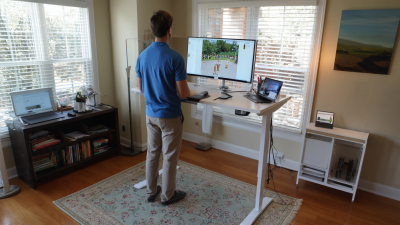
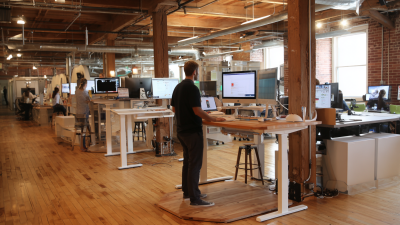
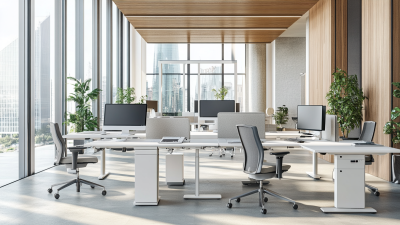
Lately, there's been a pretty noticeable shift in how we think about workspace setups, mainly driven by a growing focus on health and productivity. You've probably seen more folks jumping on the stand-up desk bandwagon — and honestly, it’s no surprise. As many of us spend more hours sitting at desks, research keeps showing just how bad this can be — things like weight gain, heart problems, and feeling drained all the time. So, a lot of people and companies are now switching to Standing Desks, not just as a fleeting trend but because they really make sense for staying healthier and getting more done.
Standing desks give you this cool combo of flexibility and utility. They make it easy to switch between sitting and standing during your workday, which is great for staying active and keeping good posture. Plus, it kind of makes your work environment feel more lively and less stiff. When people start using these desks, they often find themselves more focused, creative, and just more engaged overall. It’s like a win-win. More and more companies are realizing that encouraging healthier habits with stand-up desks isn’t just a fad — it’s actually changing the way we work for the better, making traditional offices a lot more dynamic and comfortable.

Understanding Stand Up Desks: Definition and Types
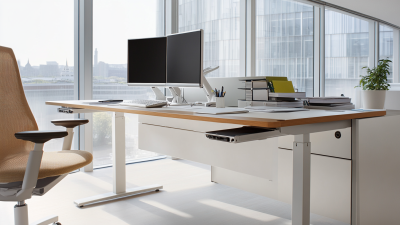
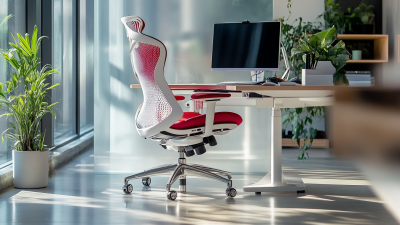
Stand up desks, often referred to as height-Adjustable Desks or sit-stand desks, are designed to allow users to comfortably alternate between sitting and standing throughout the day. These desks typically feature a mechanism that enables users to adjust the height of the work surface, accommodating different postures and promoting better ergonomics. The flexibility of these desks caters to a diverse range of preferences and needs, making them an appealing solution for various work environments.
There are several types of stand up desks available, each catering to different user requirements. Manual stand up desks require physical adjustment, often using a hand crank or levers, allowing users to set their desired height. On the other hand, electric stand up desks use motors to facilitate height adjustments with just a push of a button, offering convenience for those who frequently switch positions. Additionally, there are stationary variation options, such as desktop risers, which can be placed on top of traditional desks to convert them into stand up workstations. Each type offers unique benefits, ensuring that users can find a solution that fits their workspace and enhances their overall productivity and health.
The Ultimate Guide to Stand Up Desks for Better Health and Productivity
| Desk Type | Height Adjustment | Material | Price Range | Health Benefits |
| Manual Stand Up Desk | Manual crank | Wood/Steel | $150 - $300 | Improves posture |
| Electric Stand Up Desk | Push button | Composite/Metal | $300 - $600 | Reduces back pain |
| Portable Stand Up Desk | Fixed height | Plastic/Wood | $50 - $150 | Enhances focus |
| L-Shaped Stand Up Desk | Electric/manual | Wood/Metal | $400 - $800 | Increases productivity |
The Health Benefits of Using Stand Up Desks
The adoption of stand-up desks has gained popularity as more individuals recognize the health benefits associated with their use. One of the most significant advantages is the reduction of sedentary behavior. Prolonged sitting has been linked to numerous health issues, including obesity, cardiovascular diseases, and diabetes. By incorporating stand-up desks into daily routines, workers can significantly decrease the time spent sitting, promoting better physical health and potentially extending their lifespans.
Moreover, standing while working can enhance productivity and mental alertness. Research indicates that individuals who use stand-up desks often report higher energy levels and improved focus throughout the day. This can lead to increased efficiency and a greater sense of satisfaction in one’s work. Additionally, standing desks can encourage better posture and reduce the risk of back and neck pain, common complaints among office workers. Overall, the transition to a more active work environment through stand-up desks can positively influence both health and productivity.
Impact of Stand Up Desks on Productivity Levels
The rise of stand-up desks has transformed modern workplaces, particularly in how they impact productivity levels. Research by the Journal of Environmental and Public Health highlights that employees who use standing desks report a 46% increase in job performance, indicating a significant boost in productivity. This improvement is largely attributed to reduced fatigue and increased engagement, as standing desks encourage better posture and more natural movement throughout the workday.
Furthermore, a study conducted by the American Journal of Preventive Medicine found that participants using standing desks were 32% more productive in terms of task completion compared to those seated for prolonged periods. The mental benefits derived from a standing position—such as enhanced mood and energy levels—also contribute to sustained focus and increased output. As workplaces continue to prioritize employee health and well-being, the integration of standing desks represents a promising change towards fostering a more dynamic and productive work environment.
The Impact of Stand Up Desks on Productivity Levels
Choosing the Right Stand Up Desk for Your Workspace
When selecting the right stand-up desk for your workspace, it’s essential to consider not only the functional aspects but also the impact it can have on your health and productivity. According to a report by the World Health Organization, prolonged sitting has been linked to various health issues, including obesity, diabetes, and cardiovascular diseases. By incorporating a stand-up desk, workers may reduce their sitting time by 30%, contributing to overall better health outcomes. The right desk should allow for an adjustable height feature, enabling users to alternate between sitting and standing positions comfortably.
Moreover, studies have shown that using a stand-up desk can significantly enhance productivity. For instance, a study published in the Journal of Occupational Health Psychology found that participants using standing desks reported a 47% increase in work engagement compared to those who remained seated. When choosing your stand-up desk, consider ergonomic designs that accommodate individual body types and promote postural safety. Ensuring that the monitor is at eye level and the keyboard is positioned correctly can prevent strain and support sustained focus during work hours. Choosing a desk that fits your specific needs is crucial for maximizing these health and productivity benefits.
Setting Up Your Stand Up Desk for Optimal Comfort
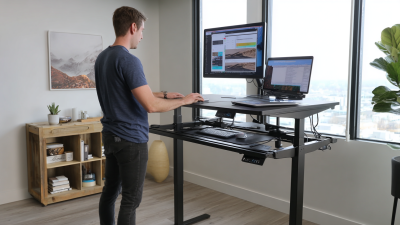
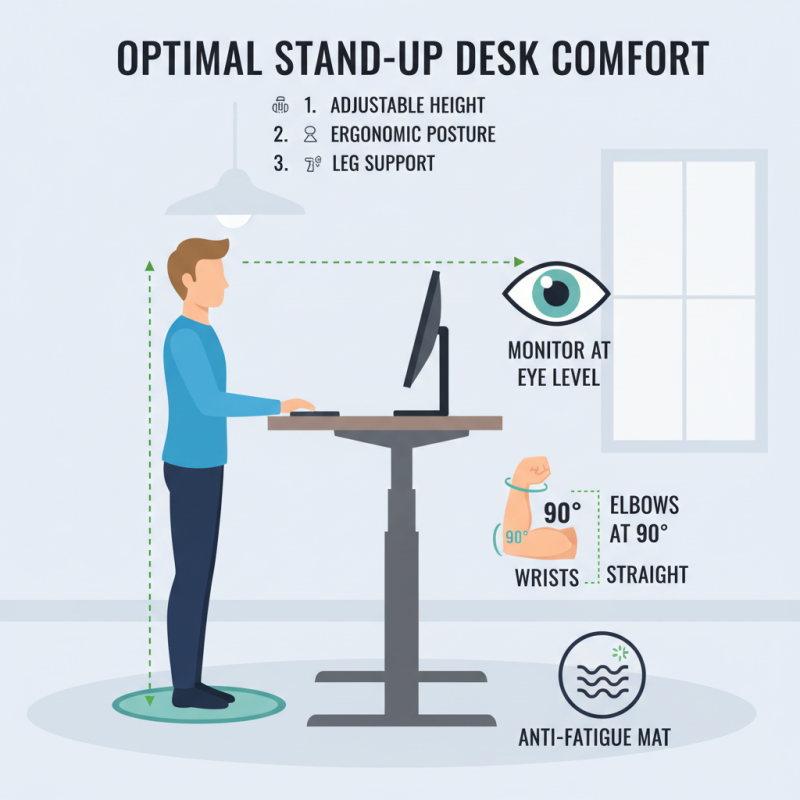
Setting up your stand-up desk for optimal comfort is essential to reap the full benefits of this ergonomic choice. First, ensure that your desk height is adjustable, allowing you to position your monitor at eye level. Your elbows should be at a 90-degree angle when typing, and your wrists should remain straight. Investing in an anti-fatigue mat can also help reduce the strain on your legs while standing for extended periods.
Tips: To enhance your setup, keep your mouse and keyboard at the same level to avoid unnecessary strain on your shoulders. Consider using a footrest to shift your weight occasionally, promoting better circulation and comfort.
Lighting is another crucial factor to consider. Ensure that your workspace is well-lit to avoid eye strain, and position your screen to minimize glare from windows or overhead lights. It’s beneficial to add plants or personal touches to your workspace, making it more inviting and conducive to productivity.
Tips: Take regular breaks to stretch and move around, alternating between sitting and standing to maintain energy levels. Hydration and proper posture will also significantly impact your overall comfort throughout the day.
Best Practices for Transitioning to a Stand Up Desk
Transitioning to a stand-up desk can significantly enhance your workspace comfort and productivity, but it requires careful planning to ensure a smooth shift. Start by gradually increasing your standing time. Instead of jumping straight into a full day on your feet, begin with short intervals—around 15 to 30 minutes of standing followed by sitting. This approach helps your body adjust to the new posture without causing excessive fatigue or discomfort. Pay attention to how your body responds and increase the standing periods over time as you build stamina.
To further support your transition, it's crucial to maintain proper ergonomics while using your stand-up desk. Ensure your monitor is at eye level and your wrists are straight while typing to prevent strain. Incorporate an anti-fatigue mat to reduce pressure on your legs and feet during prolonged standing. Additionally, adopting a variety of movement throughout your day, such as shifting your weight from one foot to another or doing simple stretches, can help keep blood circulation flowing and prevent stiffness. By implementing these best practices, you can enjoy the benefits of a stand-up desk while minimizing the risk of discomfort and maximizing productivity.
Maintenance and Care for Your Stand Up Desk
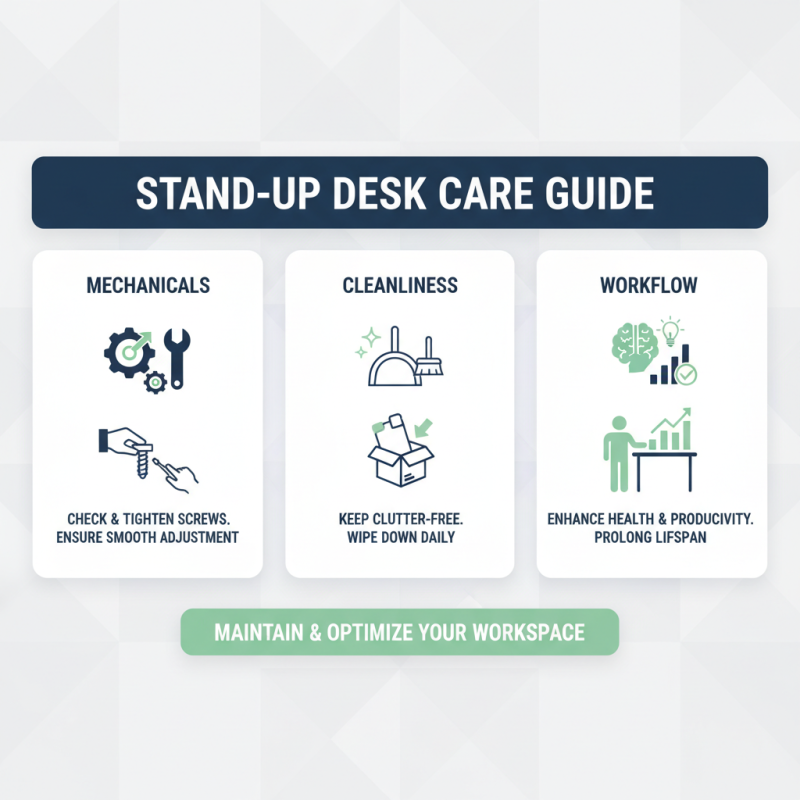
Taking proper care of your stand-up desk not only prolongs its lifespan but also ensures it remains a functional and effective tool for enhancing your health and productivity. Regular maintenance can include checking the mechanical parts, especially if you own an adjustable desk. Ensure that all screws are tight and that the height adjustment feature functions smoothly. Keeping the desk free from clutter and debris will also help maintain its condition, allowing for better workspace organization.
Cleaning your stand-up desk is equally important. Use a soft cloth and a gentle cleaning solution to wipe down the surface regularly and prevent the accumulation of dust and grime. For wooden surfaces, consider using a specialized wood polish to preserve its finish and prevent scratches. Maintaining the cables and wires underneath the desk by securing them with clips or ties will not only keep your space tidy but will also protect them from wear and tear. By investing time in the care of your stand-up desk, you can ensure that it serves you well for years to come, contributing positively to your work environment.
Conclusion
Stand up desks have gained popularity as an innovative solution to improve health and boost productivity in the workplace. This guide explores the various definitions and types of stand up desks, highlighting their numerous health benefits, such as reducing the risk of chronic diseases and promoting better posture. Additionally, the impact of these desks on productivity levels is discussed, illustrating how a standing workstation can lead to increased focus and efficiency.
Choosing the right stand up desk is crucial for enhancing your workspace, and the guide provides insights on how to set up the desk for optimal comfort. As users transition to standing while working, best practices are recommended to ensure a smooth adaptation. Finally, maintenance and care tips are provided to prolong the desk's lifespan and functionality. Overall, stand up desks represent a valuable investment in both personal well-being and professional performance.